

Nothing lasts forever, everything must fall
Everything and everyone declines or falls in the end. All the great empires, businesses and sports teams suffer the same fate. Every great person must fall. It’s an inevitability.
All of the previous Kings and Queens of Britain have fallen into history. Whether or not King Arthur really existed and lived at Tintagel Castle, he certainly isn’t alive to defend us now. All things must pass.
Success never lasts
However powerful it is, every successful organisation will stop being successful at some point. That fall is absolutely guaranteed, whether it’s a business, sports team or historical empire. We have to be aware of this fate and fight against it.
What isn’t guaranteed, is when that decline will happen and whether it will lead to the end. With continuous investment in the future, this fated decline can be delayed, potentially for decades if not centuries. We can avoid the failure of our organisation, happening on our watch.
The Fall of Rome and Britain
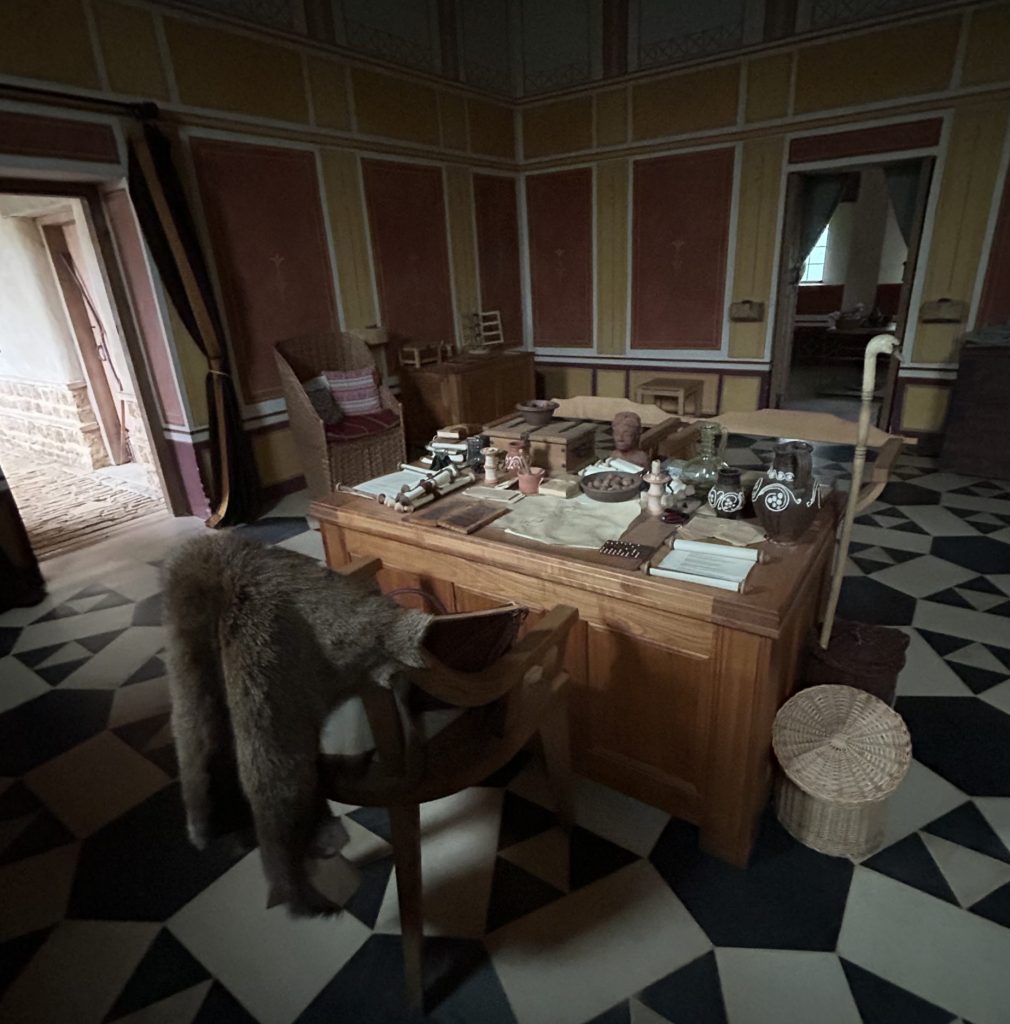
Rome grew from a simple city-state, to a superpower that dominated Europe for 500 years. Powered by an aggressive, expansionist philosophy, its military defeated every army it faced. Stabilised by its rule of law and infrastructure, Rome was highly effective at bringing peace and governance to the places it conquered. At its peak, the Roman Empire ruled over 1.9 million square miles and included a fifth of the World’s people. The Roman Empire was seemingly eternal and unstoppable. Surely it would never fall. Rome was eternal, until it was surprisingly sacked in AD 476 and the Roman Empire collapsed.
Sometime between 1914 and 1922, the British Empire reached its zenith, spanning nearly a quarter of the globe and including 450 million people. It was the Empire where the sun never set, because somewhere within it there was always daylight. As a result of Britain’s staunch defence of Europe in 1914-18 and 1939-45, Britain’s finances suffered immensely and its preeminence was lost. And so, its empire began to gradually reduce.
However long they last, even the most powerful civilisations will decline or come to an end.
The business of success
The first challenge for any organisation is to become successful. That’s almost never easy. It demands good decisions, full commitment and tonnes of hard work. Many organisations don’t become truly successful. That’s a big enough challenge in itself.
The second success challenge is to maintain that success year on year and extend it if you can. So, as soon as you’re moving into your first period of success, you’re hit with the requirement to repeat it and make it larger. Now you’re on the success treadmill. Underfoot is the need to keep running hard. Hanging above you is the inevitability that all success declines and comes to an end. It’s a relentless daily marathon. But is it worth it?
Yes success is worth having. It’s worth working really hard for. But what isn’t worth having is a long arduous road of effort that doesn’t lead to success, or does fleetingly, only for it to be lost.
Sustaining Success
The double-headed success challenge, requires your business or team to become successful and then sustain it. That requires hard work and investment for this year and for future years. All organisations must have one eye on the future and do something to ensure its success, every single day. Being a one year wonder won’t allow your business to survive, let alone thrive.
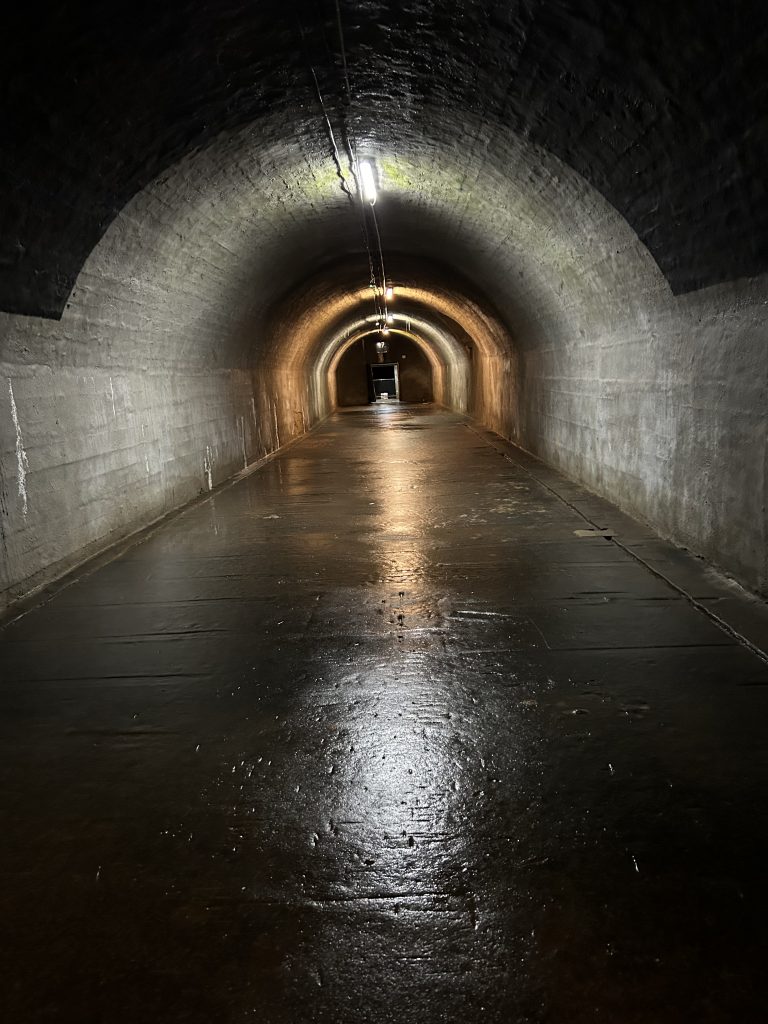
If you don’t do enough to secure your organisation’s future success, you won’t delay its inevitable fall. It can feel like a long dark, tunnel, but there is light at the end of it if you commit to developing a bright future. But how?
Breaking down you organisation into its constituent elements, will help you to check on their health, progress and investment status. Is every element getting what it needs to survive and thrive? Are you doing enough to protect it from decline? If you’re operating from an office that needs reflooring, reroofing, rewiring and replacement air conditioning, the answer is probably no. If your people aren’t getting sufficient training, support, opportunities to grow or room to develop, the answer is probably no. If you’re client base is stale and you’re not winning new work, the answer is probably no.
Don’t stop investing
The moment you stop investing, decline takes root. If you fully invest in its future, your organisation can thrive. if you do nothing, it will inevitably fall. So you must do something. In a simple word, that means investment.
Investment doesn’t have to cost a lot of money, it just needs to protect your future success. Internal training can replace external courses. A new role can be filled from within, saving recruitment fees. Equipment can be repaired or reconfigured to avoid a new purchase. An acquisition or merger can create operational savings and greater investment power. Changing premises can give you better working conditions. Better brand development can raise your profile. More targeted marketing can help you reach more potential customers. More future proofing, means more success.
So, don’t stop. Don’t freeze. Don’t get trapped in the headlights. Find a way to keep investing in your future success. Keep moving forwards. Keep reviewing, growing, developing and investing.